
CNC Surface Finishes for Machined Parts

Common post-machining finishes — anodizing, plating, passivation, bead blast, and more — available and coordinated as turnkey options when ordered with your parts.

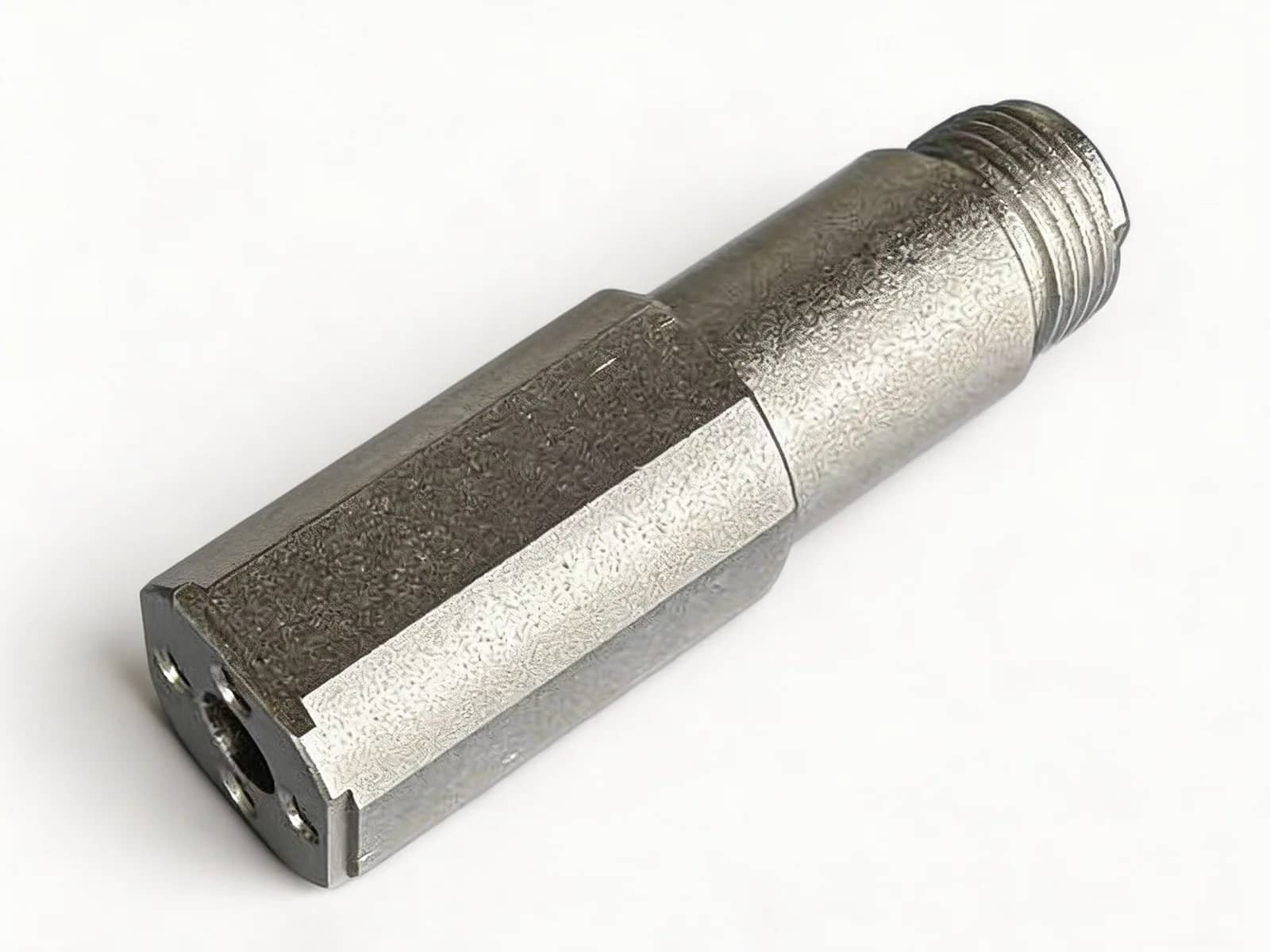
Bead-blasted matte metal hex adapter with external thread, photographed on a neutral background

When this guide applies

Use this guide when you are choosing a post-machining finish and need to understand appearance, corrosion/wear behavior, and dimensional impact before you freeze the drawing.

Surface finishes change appearance, corrosion resistance, wear, cleanability, and final size. Always state the finish on the drawing, note masked surfaces, and allow for growth or material removal on fits and threads.

Common finishes are available and coordinated when ordered with the machining job (turnkey when scoped on the PO). Specs such as ASTM anodize classes or ASTM A967 passivation apply when called out on the RFQ/PO — do not assume every process is performed in-house without project confirmation.

If no finish is specified, expect a machined surface often around Ra 3.2 µm or finer depending on the toolpath. Call out cosmetics when they matter.

Anodizing aluminum

TypeThicknessAppearanceWear / hardnessTypical uses
Type II (sulfuric)5 – 25 µmClear or dyed (black, blue, red, gold, …)ModerateEnclosures, trim, consumer and industrial cosmetics
Type III (hardcoat)25 – 100 µmDark gray/bronze; dye limitedExcellent (high hardness)Wear surfaces, robotics, high-duty parts
Type I (chromic)1 – 5 µmClear, thin; limited dyeLow — corrosion focusFatigue-sensitive or welded structures when specified
Note

Anodize grows roughly half the oxide thickness outward. Hardcoat can move dimensions on the order of ~0.05 mm per surface. Mask threads and precision bores, or machine undersize before coating.

Bead blasting media

MediaSurfaceTypical RaTypical use
Glass beadSmooth satin matte1.0 – 2.5 µmAluminum, stainless, titanium cosmetics
Aluminum oxide gritAggressive texture / anchor3.2 – 6.3 µmSteel prep for paint or powder
Ceramic beadFine matte; longer media life1.6 – 3.2 µmHard alloys needing consistent prep
Note

Blasting can close fine holes (below 0.5 mm) and embed media in soft stock — plug or mask sensitive features. It is often used before anodize or powder coat to improve adhesion.

Passivation, powder coat, and electropolish

Passivation (stainless)

Removes free iron and restores chromium-rich oxide. Negligible dimensional change. Common baths: nitric or citric per ASTM A967 / AMS 2700 when specified. Free-machining grades (e.g. 303) may respond less uniformly than 304/316.

Powder coating

Electrostatic powder cured under heat — typically 50–150 µm. Strong chip and UV resistance outdoors. Mask threads and precision fits; not suited to fine-pitch fasteners without clearance design.

Electropolishing

Electrochemical material removal that brightens and cleans stainless (and selected other alloys). Improves cleanability; removes ~5–40 µm. Sharp edges round; leave stock on critical sizes.

As-machined baseline

If no finish is specified, expect a machined surface often around Ra 3.2 µm or finer depending on the toolpath — call out cosmetics when they matter.

Specialty finishes

FinishSubstratesKey characteristics
Black oxideSteel / stainlessMinimal size change; matte black; mild corrosion resistance (often oiled)
Electroless nickelSteel, aluminum, copper alloysUniform thickness; wear/corrosion; solderable
Zinc platingCarbon steelSacrificial corrosion protection; chromate options
Brushing / grainingStainless, aluminumDirectional cosmetic grain; hides fingerprints
Laser mark / engraveMost metals and plasticsPermanent IDs, logos, serialization

Finishes by material

MaterialCommon finishesPrimary purpose
Aluminum 6061/7075Type II/III anodize, blast, powderCorrosion, wear, cosmetics
Stainless 304/316Passivation, electropolish, blast, black oxideCorrosion, cleanability, cosmetics
Carbon / alloy steelBlack oxide, zinc, EN, powderRust protection, wear, industrial look
TitaniumColor anodize, passivation, blastID color, oxide stability, matte prep
Copper / brassEN, lacquer, polishTarnish control, wear, conductivity care
Engineering plasticsAs-machined, selective blast / polishTexture and optics — avoid metal coating assumptions

Dimensional impact (per surface)

FinishTypical changeDesign advice
Type II anodize+ 2.5 – 12.5 µm outward classAllow for fits; mask threads
Type III hardcoat+ 12.5 – 50 µm class (~0.05 mm possible)Machine undersize; avoid sharp corners that build thick
Powder coating+ 50 – 150 µmMask precision bores and threads
Electroless nickel+ 5 – 25 µm typical; uniformCan machine to size after plating when needed
PassivationNegligible (under 1 µm)No allowance needed
Electropolishing− 5 – 40 µm removalLeave stock; expect edge rounding

What goes wrong if finish is unspecified

Wrong cosmetic expectation

As-machined tool marks ship when the buyer expected matte blast or dyed anodize — rework or scrap follows if the drawing was silent.

Fit and thread interference

Hardcoat (~0.05 mm per surface class growth) or powder coat closes diameters when CAD was never compensated and threads were not masked.

Substrate mismatch

Calling Type II anodize on steel, or passivation on aluminum, forces mid-quote process changes. Match finish to material early.

Inspection after coating

Critical sizes measured before vs after finish disagree unless the drawing states which condition applies ([Tolerance Standards](/precision-tolerance-standards/)).

What to include in your finish RFQ

  • Preferred STEP model plus a marked 2D PDF/DWG.
  • Finish type (and standard/class when known), color or gloss if cosmetic, and which faces apply.
  • Masking for threads, sealing faces, and precision fits.
  • Whether critical dimensions are before or after coating.
  • Material grade/temper so the finish process is compatible.
  • Quantity, delivery window, and any CoC / appearance approval needs.

Upload via Upload CAD for DFM Review. With a complete RFQ we typically respond within one business day.